
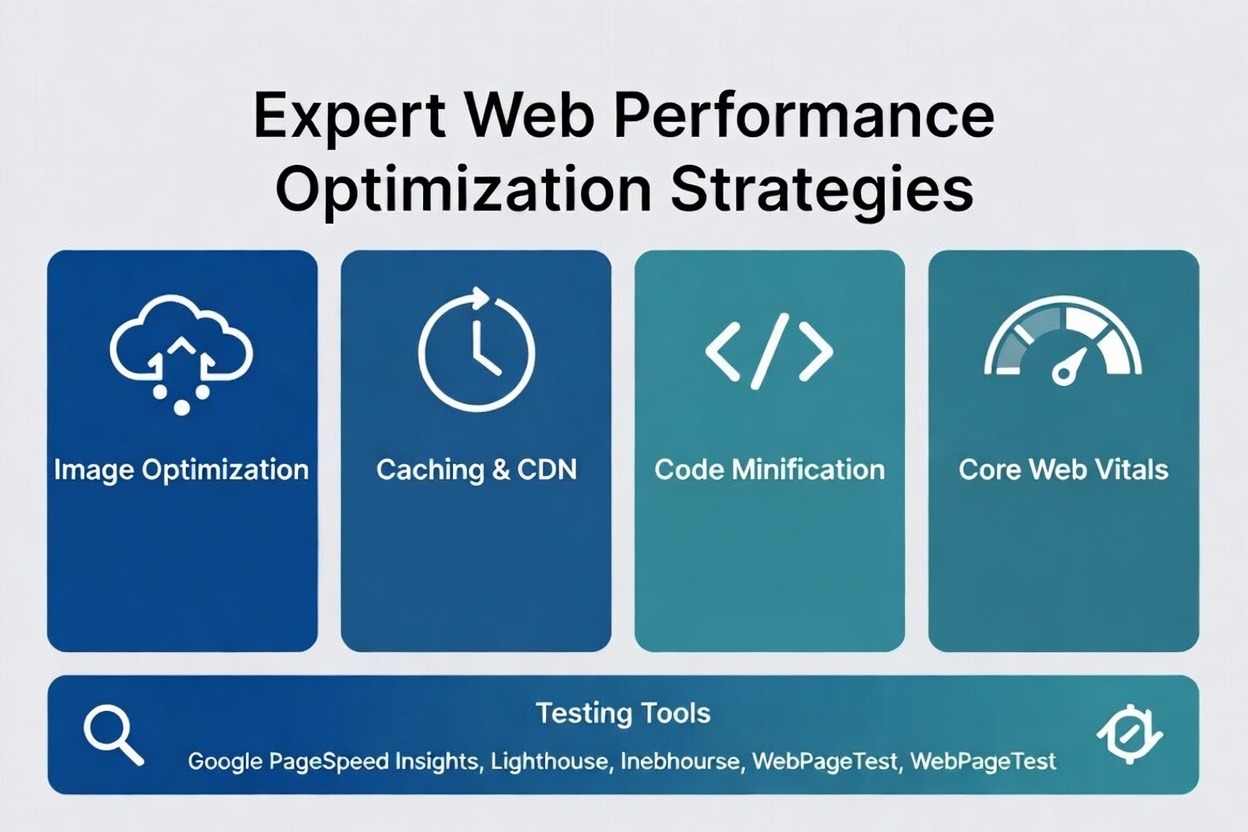
In today’s competitive digital landscape, website speed isn’t just a technical detail — it’s a powerful conversion engine. Slow-loading pages frustrate users and tank your bottom line. That’s why expert web performance optimization is essential for turning visitors into loyal customers.
Why Web Performance Optimization Directly Impacts Conversions
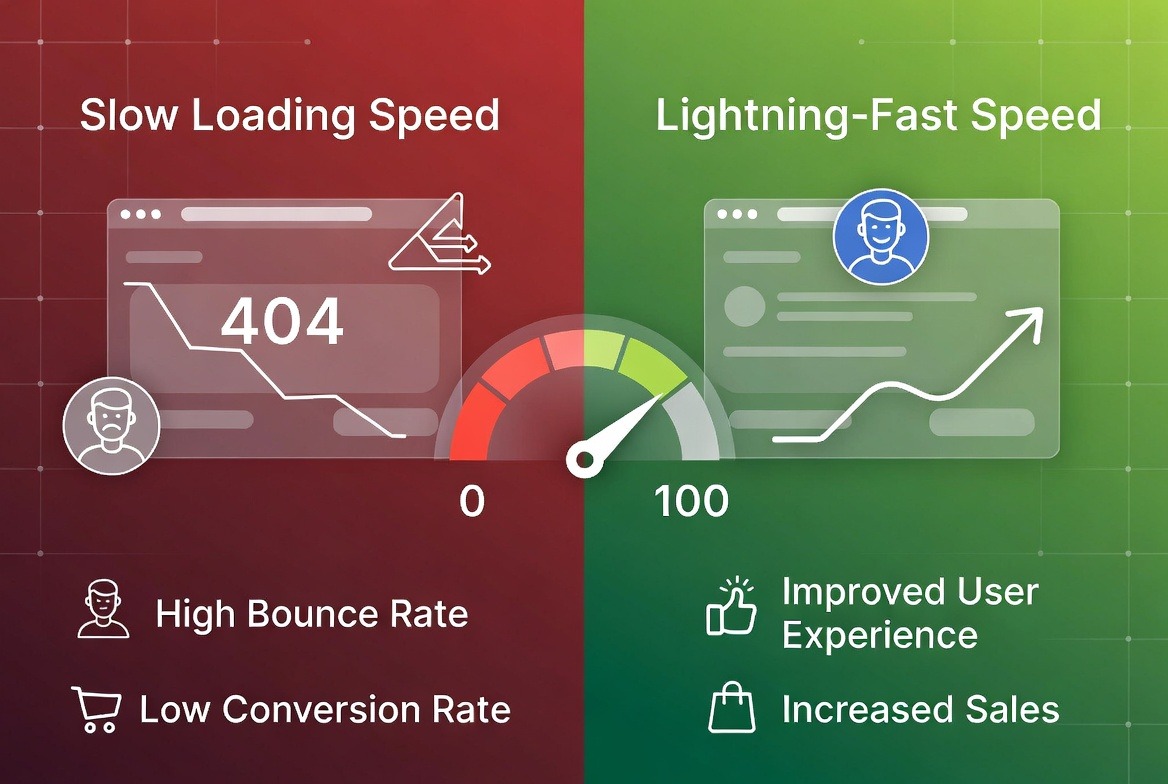
Every second counts. Studies show that a one-second delay in page load time can reduce conversions by up to 7%. Users expect lightning-fast experiences, especially on mobile. Optimizing performance improves user satisfaction, lowers bounce rates, boosts SEO rankings, and ultimately drives more sales and leads.
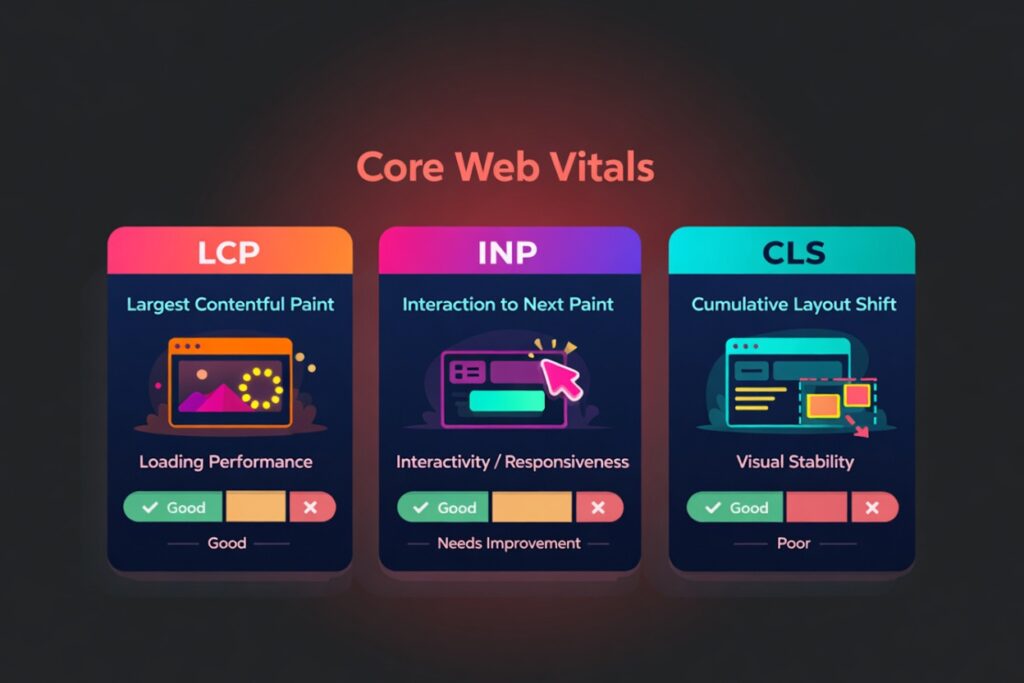
At the heart of modern optimization are Core Web Vitals — Google’s metrics for loading speed, interactivity, and visual stability. Sites that excel here enjoy better search visibility and higher engagement.
Key Strategies for High-Performance Websites
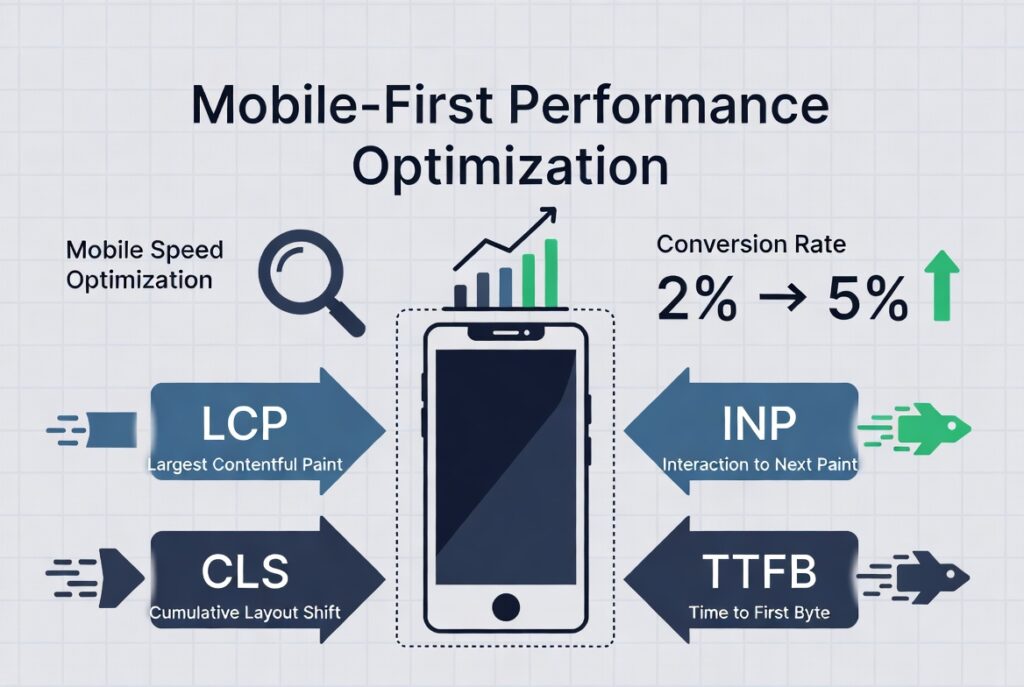
1. Implement Mobile-First Performance Practices
Start with the smallest screens and progressively enhance. Prioritize critical content above the fold, compress assets aggressively, and ensure responsive designs load efficiently across devices. This builds on responsive and mobile-first design principles to create seamless experiences everywhere.
2. Image and Asset Optimization
Use next-gen formats like WebP and AVIF, implement lazy loading, and serve responsive images with srcset. Compress files without sacrificing quality and leverage CDNs to deliver content from servers closest to your users.
3. Code Minification and Efficient Delivery
Minify HTML, CSS, and JavaScript to reduce file sizes. Enable browser caching, HTTP/2 or HTTP/3, and code splitting to load only what’s necessary. Tools like webpack or Vite make this process smoother for modern frameworks.

4. Advanced Caching and CDN Strategies
Combine browser caching with server-side caching and a robust Content Delivery Network. This dramatically cuts load times for returning visitors and global audiences.
5. Core Web Vitals Optimization
- Largest Contentful Paint (LCP): Optimize server response times and render-blocking resources.
- Interaction to Next Paint (INP): Reduce JavaScript execution time and eliminate heavy event listeners.
- Cumulative Layout Shift (CLS): Reserve space for images and ads to prevent unexpected shifts.
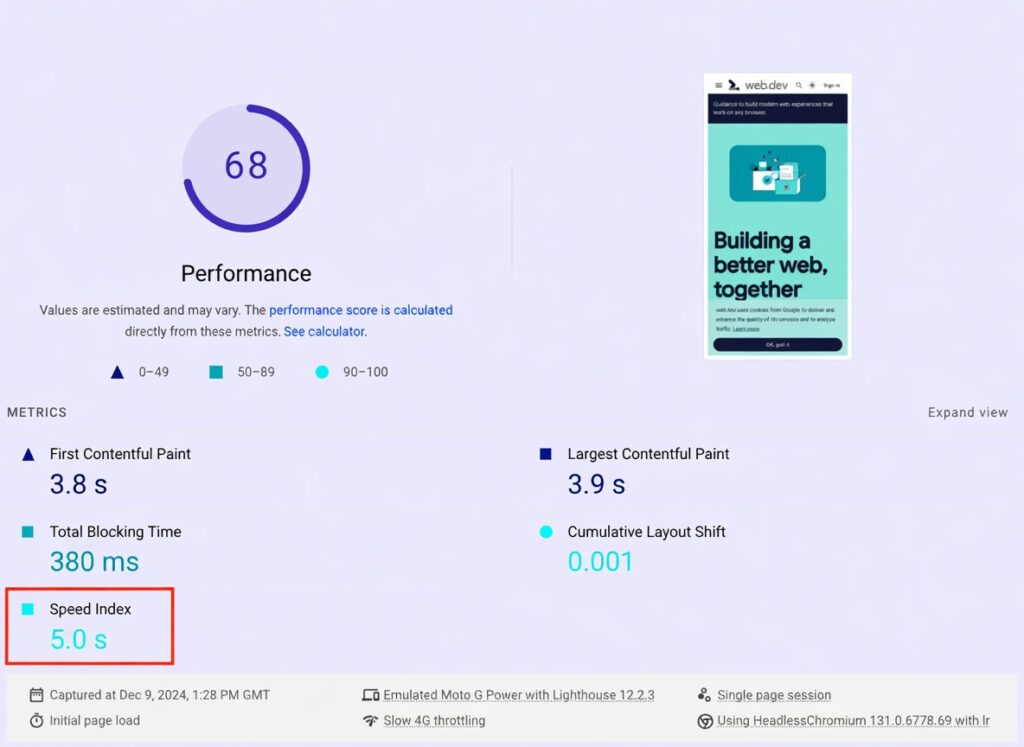
6. Testing and Continuous Monitoring
Regularly audit with Google PageSpeed Insights, Lighthouse, and WebPageTest. Set up real-user monitoring (RUM) to catch issues in production and iterate based on data.
Current Trends in Web Performance (2026)
Progressive Web Apps (PWAs), edge computing, and AI-powered optimization tools are transforming how we build fast sites. Variable fonts, efficient animations, and component-level lazy loading are becoming standard. Accessibility and performance go hand-in-hand — fast sites are inherently more inclusive.
At Teamwork Lab, we blend these technical strategies with creative design to deliver websites that not only look exceptional but perform at peak levels, directly contributing to measurable business growth.
Ready to boost conversions with Expert Web Performance Optimization Strategies?
Don’t let slow performance hold your business back. Whether you need a comprehensive performance audit, full-site optimization, or a mobile-first rebuild, our expert team is ready to help you build faster, more conversion-focused digital experiences.
Let’s work together to craft a secure, high-performing website. Take our FREE assessment to evaluate your website’s needs! You can also access our related services.
Love this? Share on your social media and
let’s spread the success together!
Related Services

WEB MAINTENANCE
We keep your site at its best with regular updates, performance optimization, and content refreshes.

WEB SECURITY
Advanced security measures, real-time threat monitoring, and rapid incident response.
WEB CONTENT CREATION
Engaging words, visuals, and stories that captivate your audience and make your brand unforgettable.
Free Downloads

Free Website Audit Checklist
Evaluate your current site and uncover quick wins

Brand Story Worksheets
Rank higher on Google or in any search engine
Social Media Content Calendar
Plan winning posts for Instagram, LinkedIn, Facebook & TikTok