

The creator stack in 2026 is less about finding “an AI that writes posts” and more about measuring visibility in AI search, shipping faster without sounding generic, and keeping owned channels (site + email) while platforms keep changing the rules. Here is a practical roundup of tools and industry updates that matter if you publish blogs, newsletters, video, or social.
Search: you can finally see AI visibility in Search Console
Google spent mid-2026 rolling out Search Generative AI performance reports in Search Console. By 31 August 2026 the reports and related generative-AI controls were documented as available worldwide.
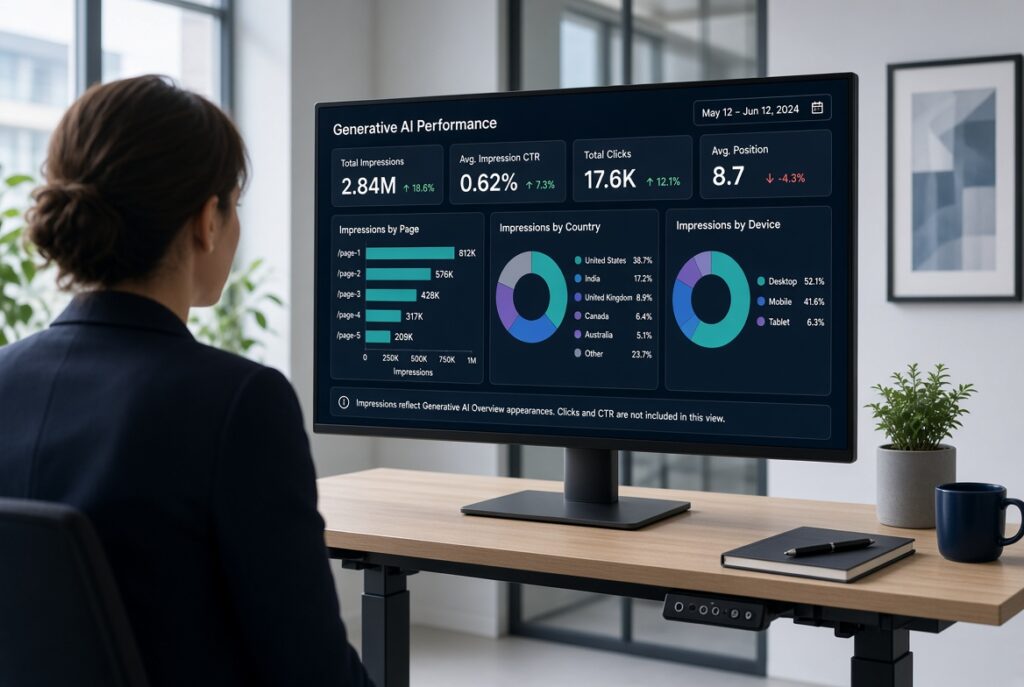
What you get:
- Impressions when your URLs appear in AI Overviews, AI Mode, and generative features in Discover
- Breakdowns by page, country, device (Search), and date
- No click counts and no query list in the AI report—so treat it as a visibility panel, not a traffic replica
There is also a Search Console control to opt content out of those AI surfaces. Most publishers will want the opposite: pages structured so models can cite them, then a watchlist of which URLs actually show up.
Writing and SEO tools: draft + optimize + track citations
The 2026 pattern that keeps winning reviews is a two-layer stack, not a single magic publisher.
Layer 1 — research and draft
- ChatGPT (GPT-5.5 class flagship through spring 2026) and Claude (Opus-class long-form) remain the default general assistants for outlines, drafts, and editing passes.
- Perplexity stays useful when you need cited research before you write.
- Jasper is still the team pick when brand voice and multi-format campaigns matter.
- Koala Writer and similar SERP-driven generators stay popular for volume SEO drafts that you then rewrite in your own voice.
Layer 2 — rank and get cited
- Surfer SEO added stronger GEO / AI-search scoring alongside classic on-page scores.
- Frase pushed an agent-style workspace (briefs, drafts, SEO + AI visibility).
- Writesonic and peers market multi-engine AI-visibility tracking.
- Semrush and Ahrefs remain the research and competitive layer most serious sites still pay for.
Grammarly’s broader productivity rebrand (bundling docs/tables after acquisitions) is a reminder that “editing tools” are turning into workspaces. Use whatever catches factual tone and clarity; do not ship unedited model output. Google still rewards helpful pages regardless of how the first draft was produced—and still under-ranks beige, interchangeable articles.
Budget starting point many solo bloggers use: one general model (~$20/month) + one SEO/GEO editor (often in the $49–$89 range) + Canva or equivalent for visuals. Add a research tool if your niche depends on current citations.
WordPress: 7.x, AI plumbing, and embeds that work again
WordPress 7.0 brought admin polish, new block capabilities (including embedded video as Cover-block backgrounds), and official work toward standardized LLM integration—the groundwork people call “agentic WordPress.” 7.1 (“Mary Lou”) followed with responsive style states and icon registration. 7.2 is on a late-2026 track (beta targeted for October, stable around early December).
For publishers, the quieter win landed in June 2026: Meta restored tokenless oEmbed for Instagram, Facebook, and Threads and shipped an official Meta Embeds WordPress plugin. After years of broken social embeds, you can put platform posts back on the blog without running a Meta app review for basic oEmbed.
Social distribution plugins (auto-post to networks, pull feeds onto the site, share buttons) remain a three-job problem. Pick the plugin for the job you actually have; one tool rarely does all three well.
Video and social platforms: simpler UX, clearer labels, new live formats
YouTube under Neal Mohan has been publicly emphasizing simpler product design. A flattened You tab is one visible example. Creator-facing tests that matter in 2026 include expanding Watch With (“React live” on eligible livestreams, with separate monetization for the reaction stream), more Shorts monetization paths, shopping-tag experiments, and analytics such as co-viewed estimates. Paid-promotion labeling is stricter: leaning only on auto-detect instead of disclosing branded content is a real policy risk.
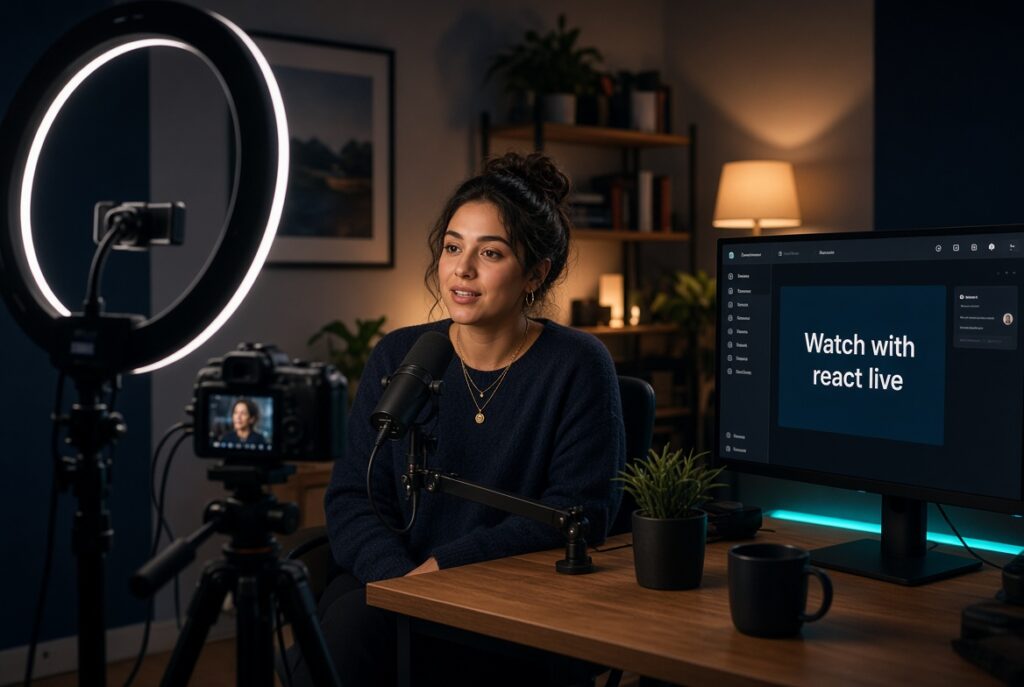
Instagram shipped creator-side editing help (including First Draft style reel assembly from a batch of clips, initially limited by platform) and spelled out monetization by follower tier (affiliates and marketplace-style tools at lower thresholds; subscriptions and badges higher up). Brand partnerships are not gated the same way. Meta is also pushing an “AI-generated profile” label for accounts built around a synthetic person; unlabeled AI personas can lose reach. Using AI as a production tool on a human-run account is a different case.
X moved U.S. creator payouts toward X Money, so creators who still earn there need the new payout setup rather than assuming Stripe still sits in the middle. The durable lesson has not changed: platforms are discovery. Email and the website are still the assets you own when a tab gets redesigned or a payout rail changes.
Design, audio, and repurposing
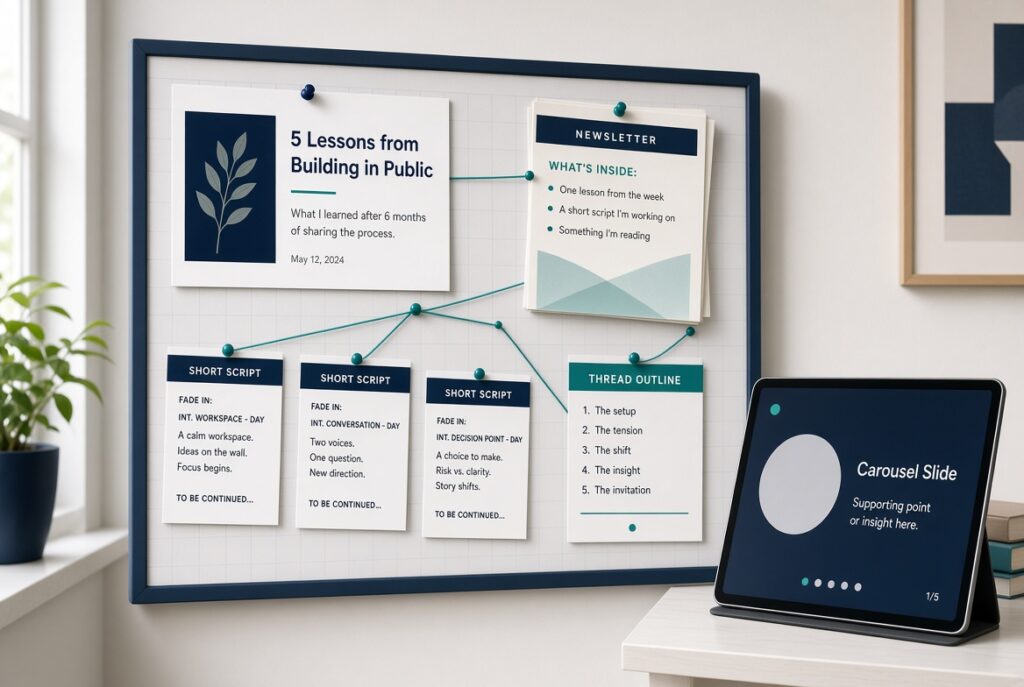
Canva’s AI features, Midjourney / image models inside ChatGPT-class tools, Runway-style video, and ElevenLabs-class voice tools are now normal parts of a creator week—not novelty demos. The operational win is repurposing: one researched article becomes a newsletter, a short script, carousel slides, and clips. Dedicated repurposing and scheduling tools exist; a simple SOP (blog → email → 3 shorts → 1 thread) often beats another subscription.
How to use this news without drowning in tools
Step 1
Turn on Search Console’s generative AI report and note which URLs appear.
Step 2
Keep one drafting model and one SEO/GEO optimizer; cancel the third overlapping writer.
Step 3
Update WordPress (or your CMS) on a schedule; restore social embeds if you need them.
Step 4
Disclose branded content yourself. Label AI personas if that is your product.
Step 5
Route new audience to email every week.
Step 6
Refresh the pages AI already cites before you publish ten new thin posts.
Conclusion
2026 is the year measurement caught up with AI search, writing tools split into “prose” versus “visibility,” WordPress started treating models as infrastructure, and social apps both simplified chrome and tightened disclosure. Creators who treat tools as a small, maintained stack—and treat the blog plus list as home base—will outlast the next product rename.
Make 2026 the year your content stack actually compounds.
Teamwork Lab is your partner in powering your online edge—sites, SEO/GEO, and promotional systems built so AI search can find you and your list still owns the relationship.
Book a free content and site assessment. We’ll map Search Console AI visibility, your publishing stack, and the pages worth refreshing before you add another tool.
Let’s work together to craft your success story.
Love this? Share on your social media and
let’s spread the success together!
Related Services

WEB MAINTENANCE
We keep your site at its best with regular updates, performance optimization, and content refreshes.

WEB SECURITY
Advanced security measures, real-time threat monitoring, and rapid incident response.

WEB CONTENT CREATION
Engaging words, visuals, and stories that captivate your audience and make your brand unforgettable.
Free Downloads

Free Website Audit Checklist
Evaluate your current site and uncover quick wins

Brand Story Worksheets
Rank higher on Google or in any search engine

Social Media Content Calendar
Plan winning posts for Instagram, LinkedIn, Facebook & TikTok